
When Photos Become Places
NeRFs and Gaussian splats can turn ordinary photos into scenes we can move through. The results feel like 3D photography, but what is being captured is stranger—and more useful—than a conventional model.
Topic
21 related items across notes, deep dives, spotlights, and projects.
NeRFs and Gaussian splats can turn ordinary photos into scenes we can move through. The results feel like 3D photography, but what is being captured is stranger—and more useful—than a conventional model.
A useful AI workflow is not just a prompt that worked once. It is a small system with explicit inputs, checkpoints, fallbacks, and evidence that someone else can run again.
A larger context window gives an agent more room. Filling that room with stale instructions, duplicated facts, and raw tool output can make the agent less reliable.
Image-reading AI can recognize objects, extract text, and suggest what a picture shows. It can also miss the small detail that matters most.
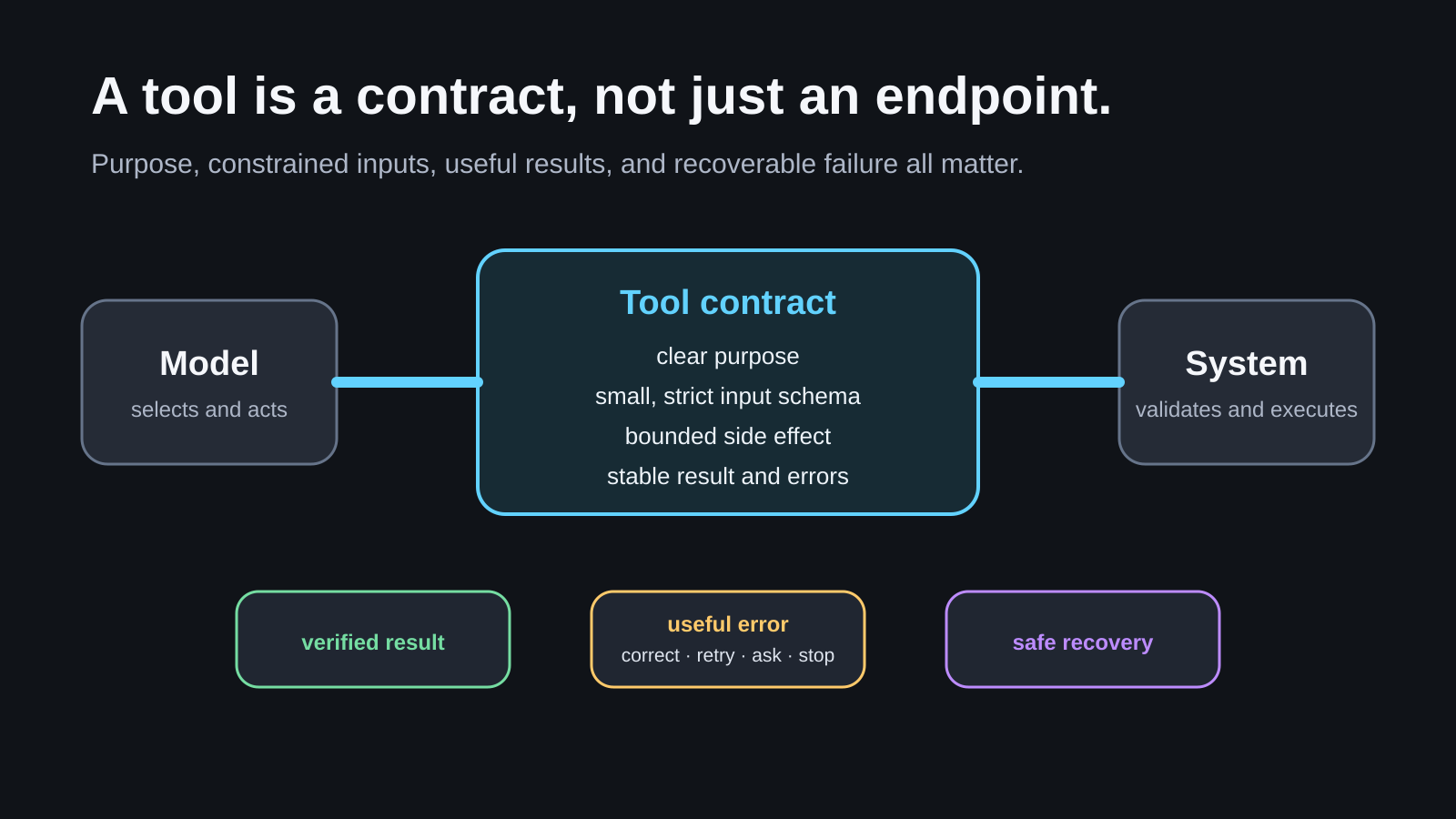
A model can only use a tool as well as the interface describes the job, constrains the inputs, reports the result, and supports recovery when something goes wrong.
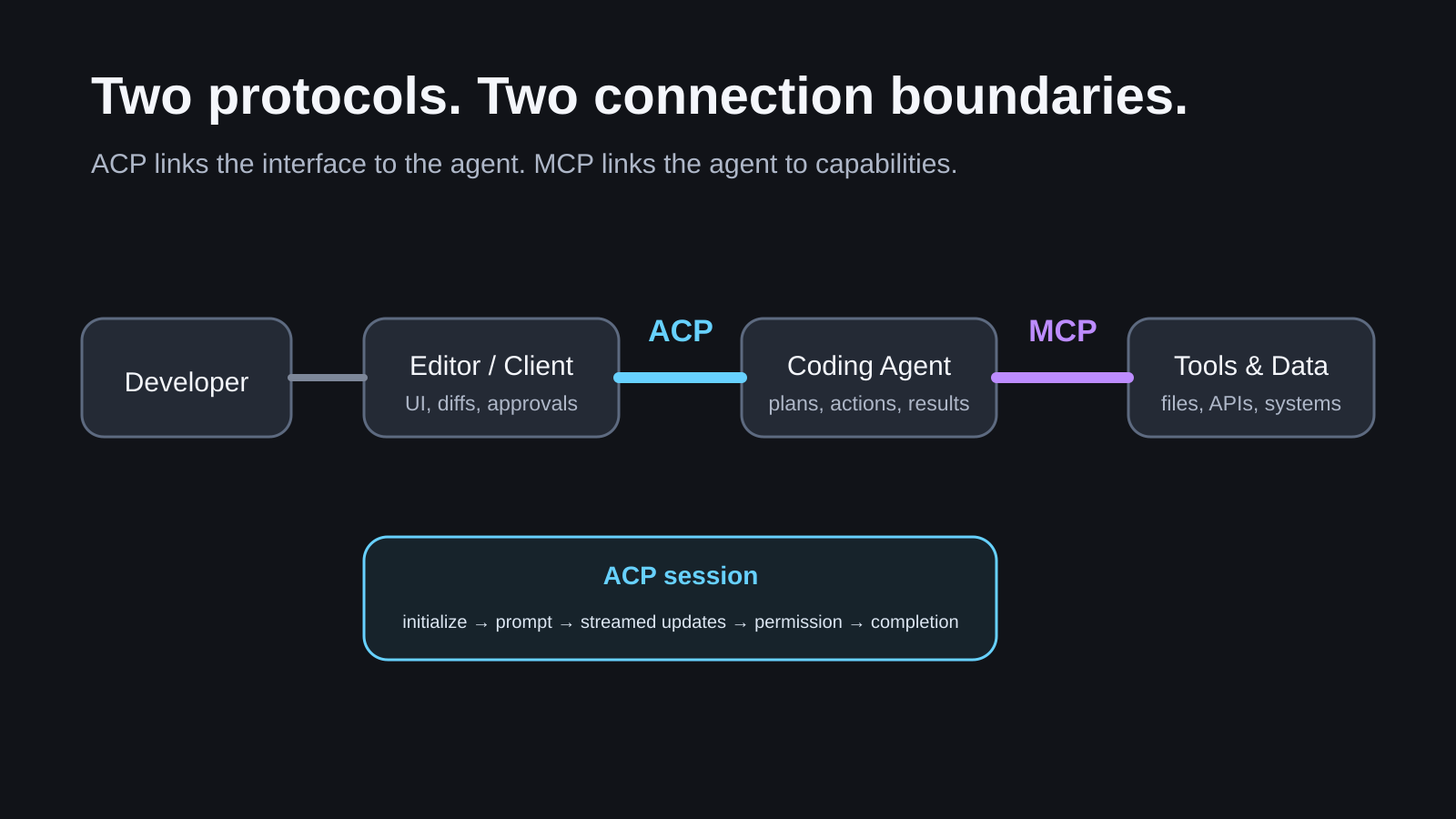
ACP gives editors and coding agents a shared way to start sessions, exchange prompts, stream progress, request permission, and report when a turn is done.
ComfyUI turns generative-media pipelines into visible node graphs. The control is real, but so are the setup cost, graph complexity, and maintenance.
When an AI agent fails, the final answer is rarely enough to explain why. A useful trace preserves the path without turning every private detail into permanent telemetry.
MCP gives AI apps a standard way to discover tools, read resources, and use reusable prompts. It connects systems; it does not erase permissions or judgment.
Paperclip sits above agent runtimes as a self-hosted control plane for goals, org charts, tasks, budgets, approvals, and audit trails.
A sandbox limits where an agent can act when code, tools, or instructions go wrong. It is containment—not permission, judgment, or trust.
Good automation gives your attention back. Bad automation trades saved clicks for more alerts, summaries, and systems to manage.
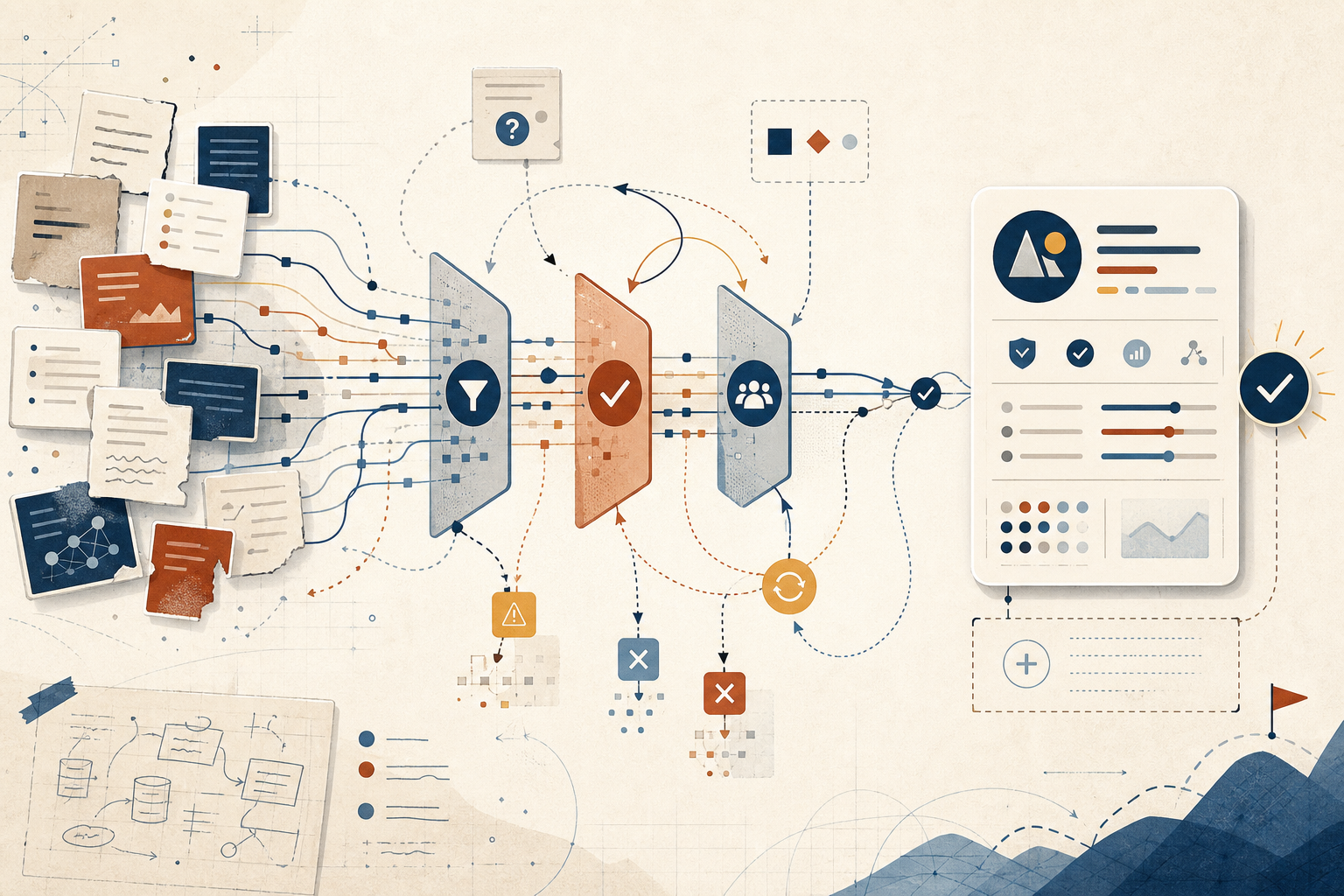
An early-stage expert-profile system built to improve evidence quality, reduce bluffing, and keep automated summaries aligned with real signals.
A beginner-friendly guide to the difference between what an AI learned during training and what it can retrieve from current sources.
A beginner-friendly explanation of hallucinations, models, and why confident AI answers are not always true.
Grounding is not just adding sources. It is making an AI answer depend on the right information at the right time.
A plain-English explanation of AI memory, context, and why a chatbot can sometimes lose the thread.
A practical way to tell the difference between AI that sounds impressive and AI that actually works.
A plain-English way to understand one of the most overused words in AI right now.
A beginner-friendly map of what people usually mean when they say AI, and why the term feels more confusing than it needs to.
A practical map for understanding common AI terms without getting buried in jargon.